

Report
Christopher S. Chivvis, Senkai Hsia
{
  "authors": [
    "Christopher S. Chivvis"
  ],
  "type": "commentary",
  "blog": "Emissary",
  "centerAffiliationAll": "dc",
  "centers": [
    "Carnegie Endowment for International Peace"
  ],
  "collections": [
    "Biden’s Foreign Policy Legacy and What’s in Store Under Trump"
  ],
  "englishNewsletterAll": "americanStatecraft",
  "nonEnglishNewsletterAll": "",
  "primaryCenter": "Carnegie Endowment for International Peace",
  "programAffiliation": "ASP",
  "programs": [
    "American Statecraft"
  ],
  "projects": [],
  "regions": [
    "United States",
    "Ukraine",
    "Russia",
    "China",
    "Middle East"
  ],
  "topics": [
    "Foreign Policy",
    "Domestic Politics",
    "Democracy"
  ]
}
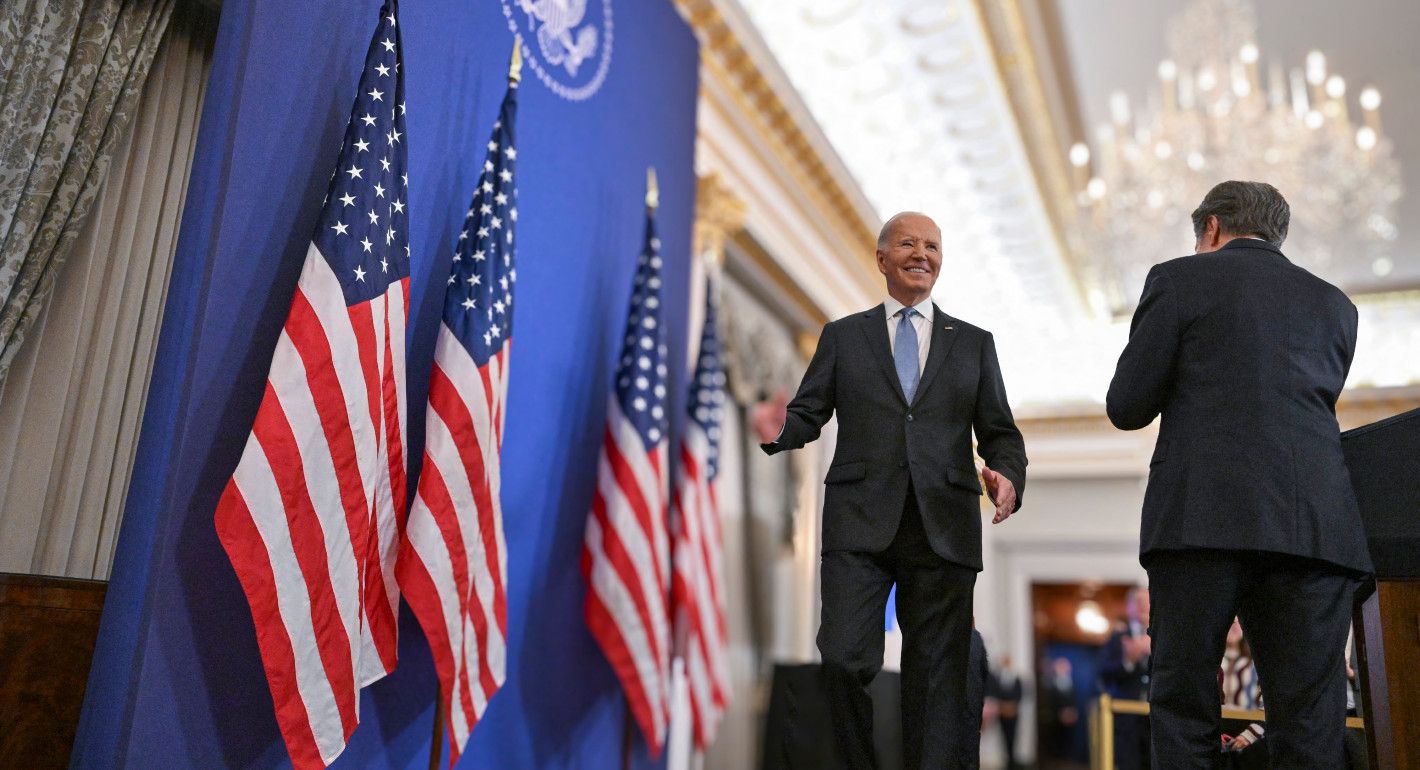
Biden at the State Department on January 13. (Photo by Roberto Schmidt/AFP via Getty Images)
His instincts often worked against his achievements, particularly regarding China and Russia.
Four years ago, President Joe Biden promised a foreign policy focused on the American people. In some important ways he delivered. Too often, though, he was hampered by an overly traditional American approach to the world that was hesitant to criticize allies and unrealistic when dealing with autocrats.
One of his first challenges was Afghanistan. By withdrawing troops early in his term, Biden ended a twenty-year war that weighed heavily on America. He paid a political price when the exit got messy, but this was the right decision for a war with no end in sight. If the United States continued to battle the Taliban, it would only have cost the nation more in blood and treasure and for the same desultory result. Moreover, staying longer in that infamous “graveyard of empires” would have hamstrung U.S. foreign policy in the face of the crises gathering in more strategically important regions.
The first such crisis was Russia’s brutal invasion of Ukraine in 2022. In the face of this aggression, Biden wisely judged that directly fighting Russia over Ukraine would be extremely dangerous and adopted a cautious approach to his support for Kyiv. Biden has been criticized since by those who believe that he could have provided more weapons to Ukraine, more quickly, and still avoided war with Russia. But those criticisms are baseless: a rapid U.S. escalation would almost certainly have provoked a broader war.
In fact, Biden should have gone further to end the war, turning the screws on Ukrainian President Volodymyr Zelensky to enter negotiations with Moscow. Unfortunately, Biden’s early framing of the war as a battle of democracy versus autocracy and his strong desire to avoid unseemly rifts with U.S. allies foreclosed this option. As a result, the war and its suffering were prolonged and President-elect Donald Trump was able to portray himself as the peacemaker in last year’s presidential election. Ukraine is now in a perilous situation as Trump enters office with limited sympathy for its plight.
When it came to China, Biden also pursued a sensible and moderate policy that balanced defensive measures and diplomacy with Beijing. His administration restricted China’s access to vital U.S. technology while bolstering U.S. alliances and military forces across Asia. It relaunched diplomacy with Beijing, even after Beijing’s ham-fisted operation to spy on America from balloons in 2023 intensified domestic headwinds.
But Biden’s traditionalist instincts also worked against these achievements. His staunch anti-autocratic rhetoric and uncritical approach to allies led him on multiple occasions into statements about Taiwan that backed away from the balanced, live-and-let-live approach of America’s long-standing One China policy. This needlessly angered Beijing.
The effects of Biden’s traditionalism were the most damaging when it came to the Middle East, where they dampened his administration’s willingness to return to the Iran nuclear deal and produced an unflinching commitment to Israeli President Benjamin Netanyahu’s escalating military operations in Gaza and across the region. Iran, Hamas, and Hezbollah are now weakened, but that has come at a cost to America’s global reputation, as well as a severe humanitarian crisis in Gaza that has sowed the seeds of future Islamic radicalism against America. Having initially hoped to draw down U.S. commitments in the Middle East, Biden ended up plunging deeper in.
The White House has recently made the case that Biden leaves America in a stronger position in the world than four years ago. This is a hard case to make, notwithstanding his foreign policy successes. America’s major adversaries are weaker in some ways than they were four years ago, but Biden can’t really claim credit for this, other than perhaps in the case of Russia.
The argument that America is stronger than its adversaries also turns on the administration’s successful passage of two major legislative packages aimed at climate change and strengthening the American economy for long-term competition with China, but whether these initiatives will make America stronger in the end won’t be clear for several years. We do know, however, that America at the end of the Biden presidency is overstretched, immersed in multiple wars in multiple regions.
Whether Trump’s approach will fare better is anyone’s guess. The president-elect could be a catalyst for necessary change, but he could also unleash a chain reaction of chaos that would be dangerous for America and the world. Such chaos could destroy global institutions that have long served U.S. interests, or it could even end in a great power war that all would lose.
Biden was right to want to focus American foreign policy on the needs of the American people. His foreign policy experience was deep. His team was smart—and sometimes brilliant. But a real focus on the needs of the American people would have required more realism and more innovation. In the end, Biden’s foreign policy traditionalism held him back.
The latest from Carnegie scholars on the world’s most pressing challenges, delivered to your inbox.
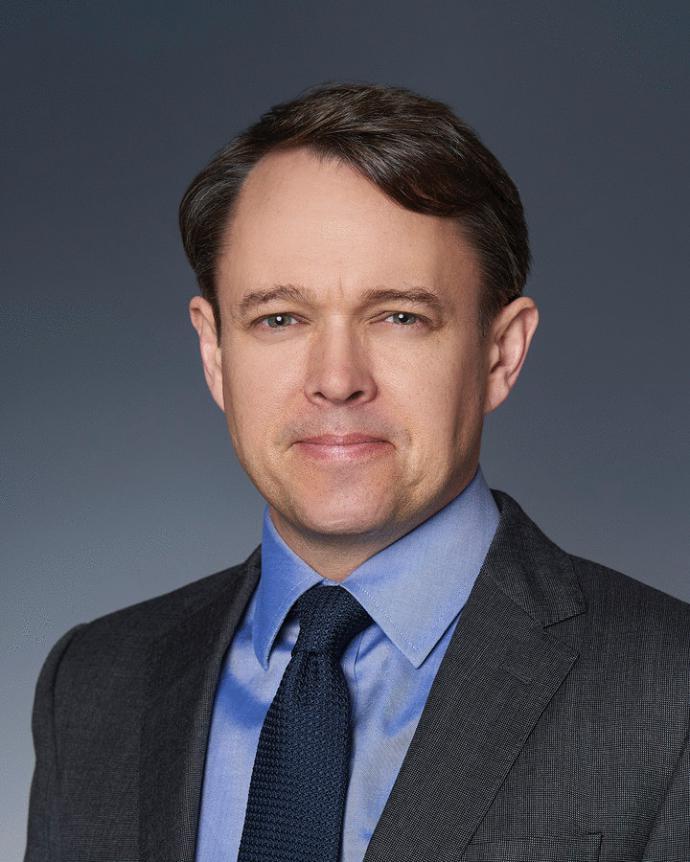
Senior Fellow and Director, American Statecraft Program
Christopher S. Chivvis is the director of the American Statecraft Program at the Carnegie Endowment for International Peace.
Recent Work
Christopher S. Chivvis, Senkai Hsia

Christopher S. Chivvis, Stephen Wertheim, Liana Schmitter-Emerson
Carnegie does not take institutional positions on public policy issues; the views represented herein are those of the author(s) and do not necessarily reflect the views of Carnegie, its staff, or its trustees.
Previous dialogues ended in failure. This time could be different.

Scott Singer
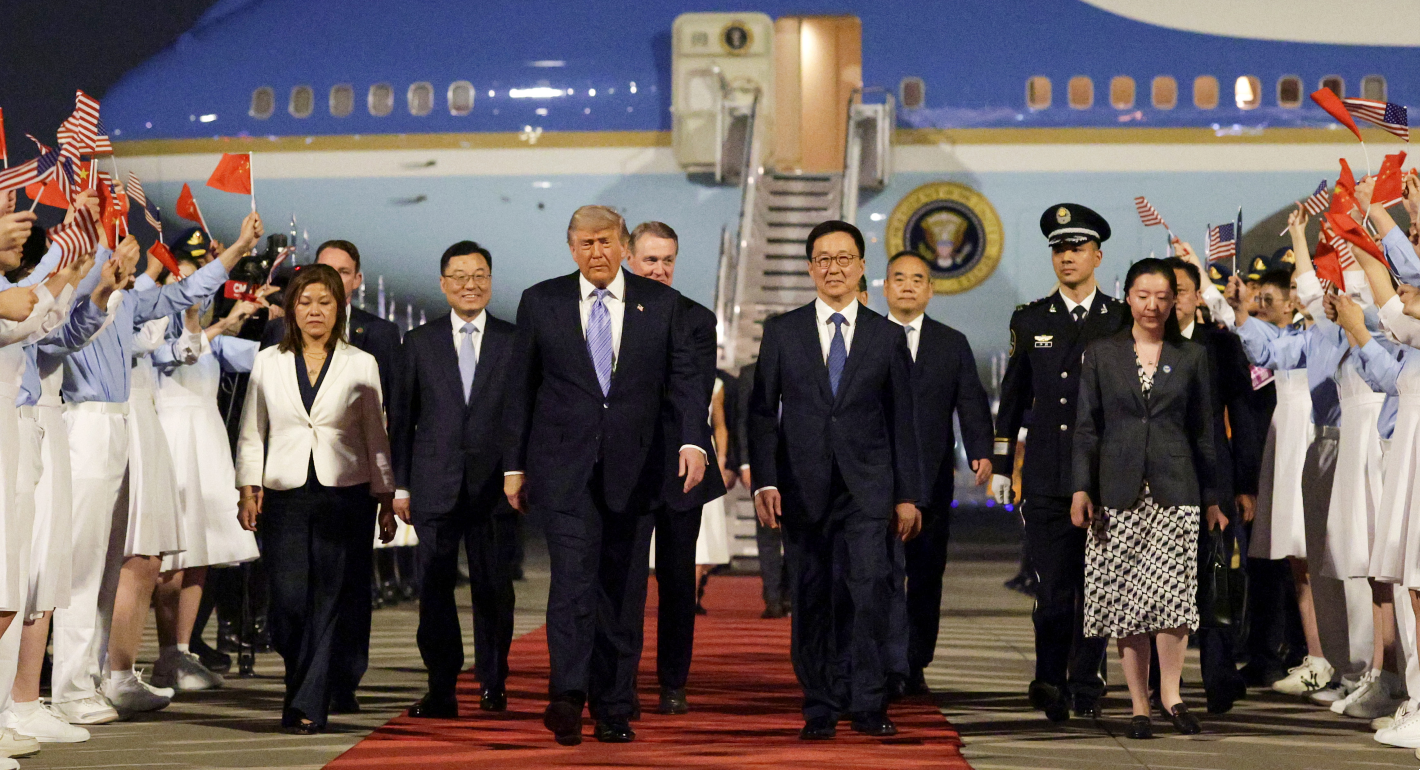
Why the outcomes of the U.S.-China meetings may be limited.


Aaron David Miller, David Rennie
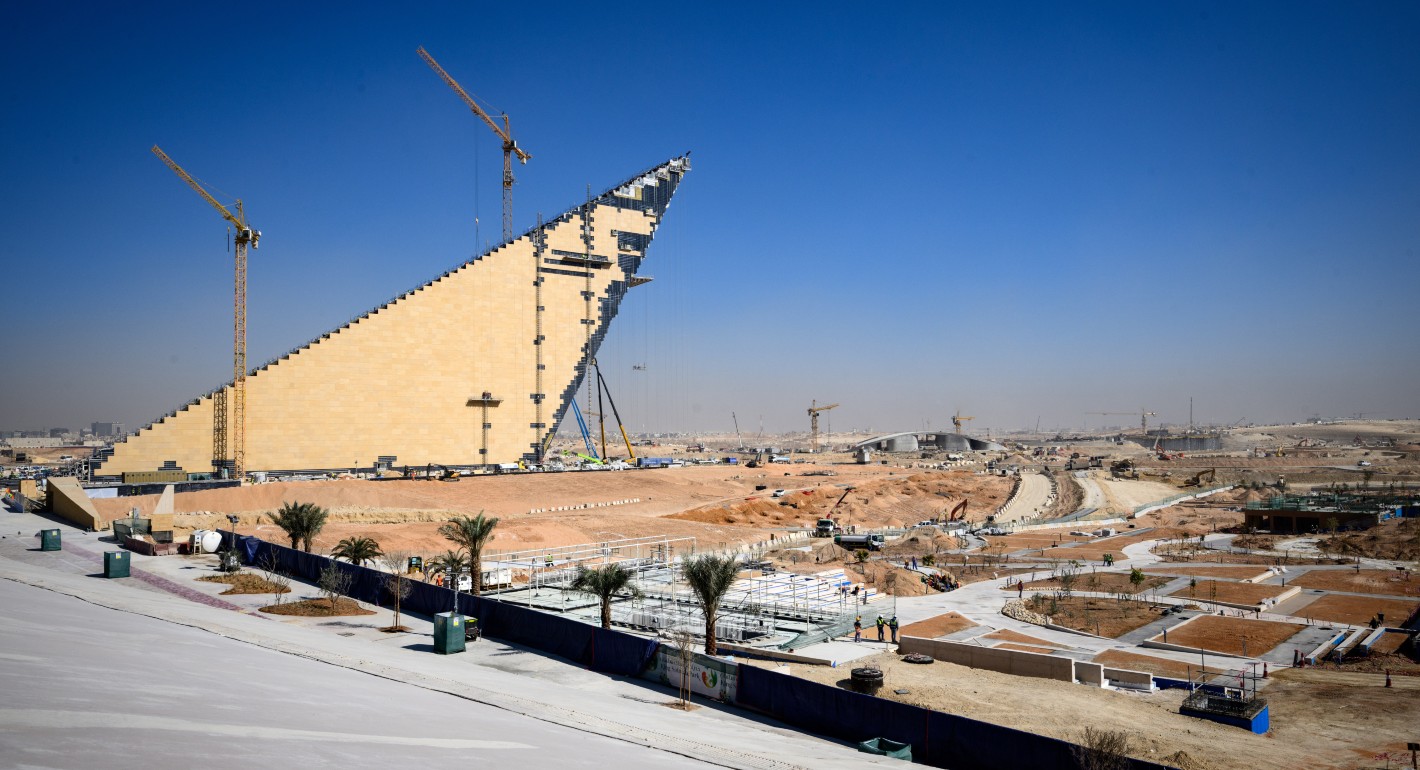
As the monarchy appears to question its grandest projects, the state could do with more critical debate than rote cheerleading.

Andrew Leber

Instead, governments should adopt climate-friendly measures to address the impact of rising prices.

Henok Asmelash
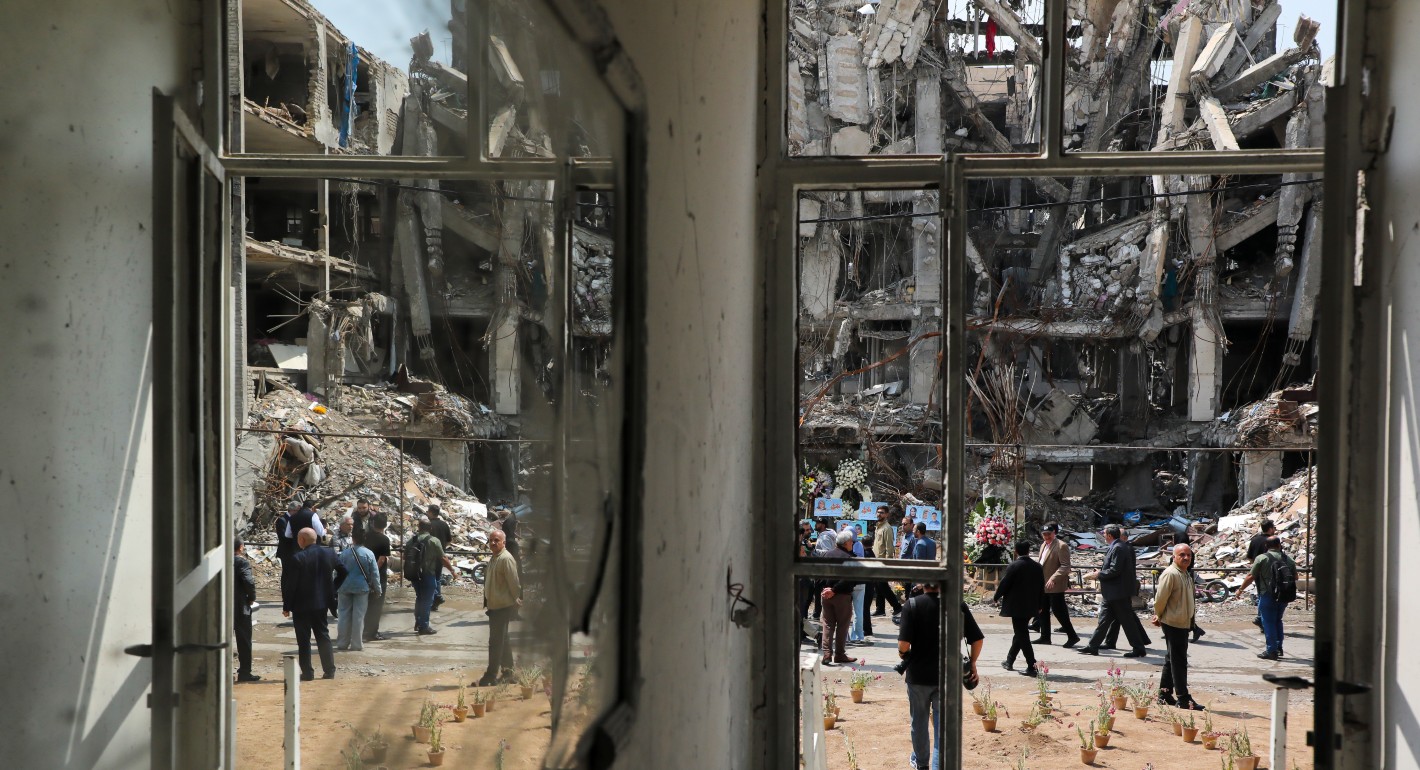
Tehran may conclude that its ability to disrupt the global economy via the Strait of Hormuz provides enough deterrence to begin quietly rebuilding its nuclear program.

Jane Darby Menton, Mohammad Ayatollahi Tabaar